



Snorkeling in Tioman Island for Beginners: A Guide to the Best Spots and Tips
July 29, 2024
Marine Life to Watch Out for While Diving: A Guide for Scuba Divers
July 31, 2024Snorkeling in Tioman Island for Beginners: A Guide to the Best Spots and Tips
July 29, 2024Marine Life to Watch Out for While Diving: A Guide for Scuba Divers
July 31, 2024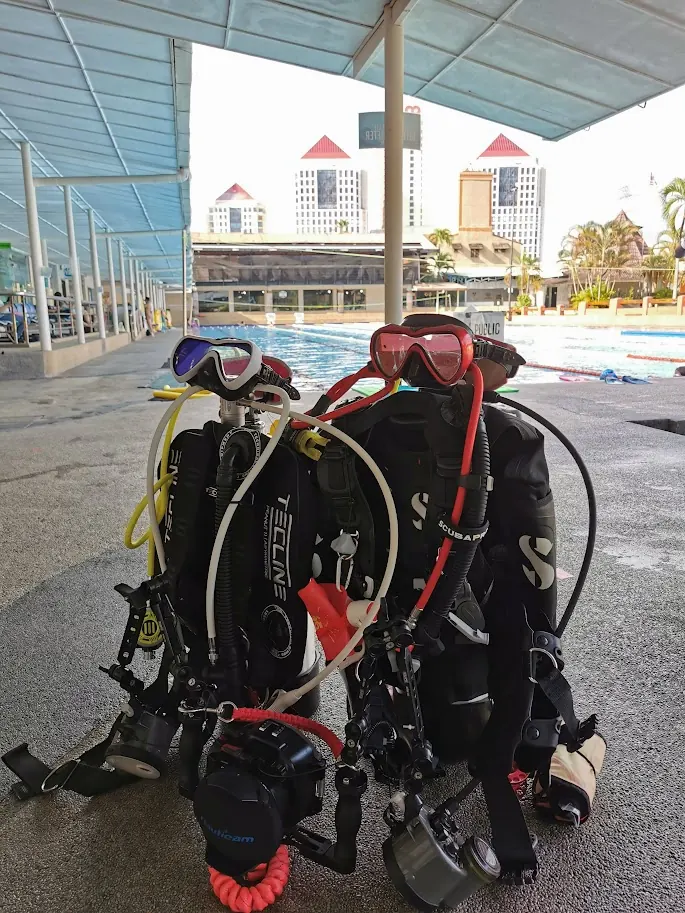
How to Choose the Right Scuba Diving Equipment
Updated 2026 • Beginner-to-advanced gear selection guide
Choosing the right scuba diving equipment is essential for safety, comfort, and confidence underwater. Whether you are learning to dive or already certified, well-fitted and appropriate gear can significantly improve your overall diving experience.
This guide explains the core scuba equipment every diver should understand and provides practical tips for selecting gear suited to your diving environment and skill level.
Content reviewed by: PADI-certified instructors and active dive professionals with hands-on experience in equipment fitting and diver training.
Essential Scuba Diving Equipment Explained
1. Diving Mask
A properly fitting mask ensures clear vision underwater. Silicone skirts provide comfort and durability, while a wide field of view improves situational awareness. Prescription lens options are available for divers who need vision correction.
2. Snorkel
Snorkels allow relaxed surface breathing. Dry or semi-dry snorkels help prevent water entry and are recommended for beginners.
3. Fins
Fins improve propulsion and reduce energy use. Open-heel fins (with booties) offer adjustability, while full-foot fins are lighter and simpler for warm-water diving.
4. Wetsuit or Drysuit
Wetsuits provide insulation by trapping a thin water layer, while drysuits keep divers completely dry and are suitable for cold-water environments. Suit thickness should match water temperature.
5. Buoyancy Control Device (BCD)
The BCD controls buoyancy and supports equipment. A good BCD should fit securely, provide sufficient lift, and allow easy weight distribution through integrated weight systems.
6. Regulator and Octopus
Regulators deliver breathing gas from the tank. Reliable airflow, low breathing resistance, and cold-water compatibility are key factors when choosing a regulator.
7. Dive Computer
Dive computers track depth, time, ascent rate, and no-decompression limits. Clear displays, intuitive menus, and nitrox compatibility improve dive safety and planning.
8. Additional Accessories
- Dive knife or cutting tool
- Underwater torch for low-light or night dives
- Surface Marker Buoy (SMB) for safety
Buying vs Renting Scuba Equipment
Beginners often start by renting equipment during courses. As you dive more frequently, owning personal gear — especially mask, fins, and dive computer — improves comfort, hygiene, and familiarity.
Related diving guides
Looking for reliable scuba diving equipment?
Choosing quality gear from a trusted dive shop ensures compatibility, proper sizing, and long-term safety.
Equip yourself for safer, more enjoyable dives
The right scuba equipment enhances confidence, comfort, and underwater performance at every level.