Your first Tioman fun dive trip after certification is a chance to enjoy being underwater without working through a course timetable. It is also the moment to be honest about what still feels unfamiliar. Tell the dive team that you are newly certified when you enquire, so the conversation starts with your experience and comfort rather than a wish list of dive sites.
This guide is for divers who have completed their certification. If you have not yet qualified, start with the appropriate training or introductory experience instead of booking a certified-diver fun dive package.
Describe Your Experience In Useful Terms
A certification level alone does not tell the whole story. A diver who qualified last week in conditions similar to Tioman has different questions from someone who completed a course months ago and has not entered the water since.
Send TDB a short introduction containing:
- Your certification agency and level.
- The date of your last dive and approximate logged-dive count.
- Where you trained and the conditions you have experienced.
- Whether you have dived from a boat before.
- Anything you would like help reviewing before the first dive.
There is no benefit in rounding your experience upwards. If a skill feels uncertain, name it plainly. Asking about a refresher or additional preparation before arrival gives the team time to discuss an appropriate option rather than discovering the concern at the departure point.
Understand What A Fun Dive Booking Means
A fun dive trip is a recreational booking for certified divers; it should not be treated as a replacement for unfinished training. A guide's presence also does not remove your responsibility to use the skills you learned, communicate with your buddy and stay within your training and comfort.
Ask how the dives will be organised, what equipment is included or available to rent, and what information the team needs before arrival. Review the Tioman Fun Dive Packages with those answers in mind. More included dives are only valuable if the trip suits your time and readiness.
Prepare For The First Briefing
Bring accessible proof of certification and your recent log information. Check rental requirements in advance and allow time to become familiar with the equipment you will use. If something fits poorly or works differently from your training equipment, raise it before heading out.
Listen for the site's conditions, entry and exit arrangements, planned route, buddy procedures and the team's instructions for communicating or ending a dive. If a point is unclear, ask it again. An unfamiliar briefing is not an exam, and a question before entering the water is useful preparation.
Save a copy of your booking details and the dive centre's contact information where you can find them without searching a long message thread. That small administrative step leaves more attention for the actual dive preparation.
Choose A Modest Goal For The Trip
For a first recreational trip, “I want to feel more organised before entering the water” is a more helpful aim than “I must visit the deepest site.” Another useful goal is getting comfortable with the briefing routine or learning how to describe what you enjoyed in your logbook.
Discuss your goals with the guide without asking them to turn every fun dive into a training session. If you want structured coaching or a new qualification, ask about an appropriate course separately. The Advanced Open Water Course is a training option to discuss, not a box you must immediately tick to justify going diving.
Looking through the Tioman Dive Sites Guide can help you picture the island's underwater variety. Treat it as inspiration. Sites are selected around conditions and the group's suitability; booking a holiday does not reserve a named reef or guarantee a wildlife sighting.
Use The Time Between Dives
After the dive, note one thing that went well and one question for the next briefing. Record the information you need in your log rather than trying to remember the whole trip later. Keep comparisons with other divers out of it: someone else's experience, equipment and pace may be very different.
If you are uncomfortable, tired or uncertain about continuing, tell the team instead of feeling obliged to complete a number on the package listing. Discussing an issue early is more useful than trying to hide it because everyone else looks relaxed.
A Simple Booking Message
Try: “I am newly certified, have logged [number] dives, and last dived on [date]. I would like to visit on [dates] with [guest count]. I need [rental items] and would like to check [specific concern] before booking.” Send it through the TDB Contact Page to start a practical conversation.
Further Reading
PADI's First Dive After Certification discusses confidence and communication after training. Its Next Steps For New Open Water Divers offers ideas for continuing your diving experience.
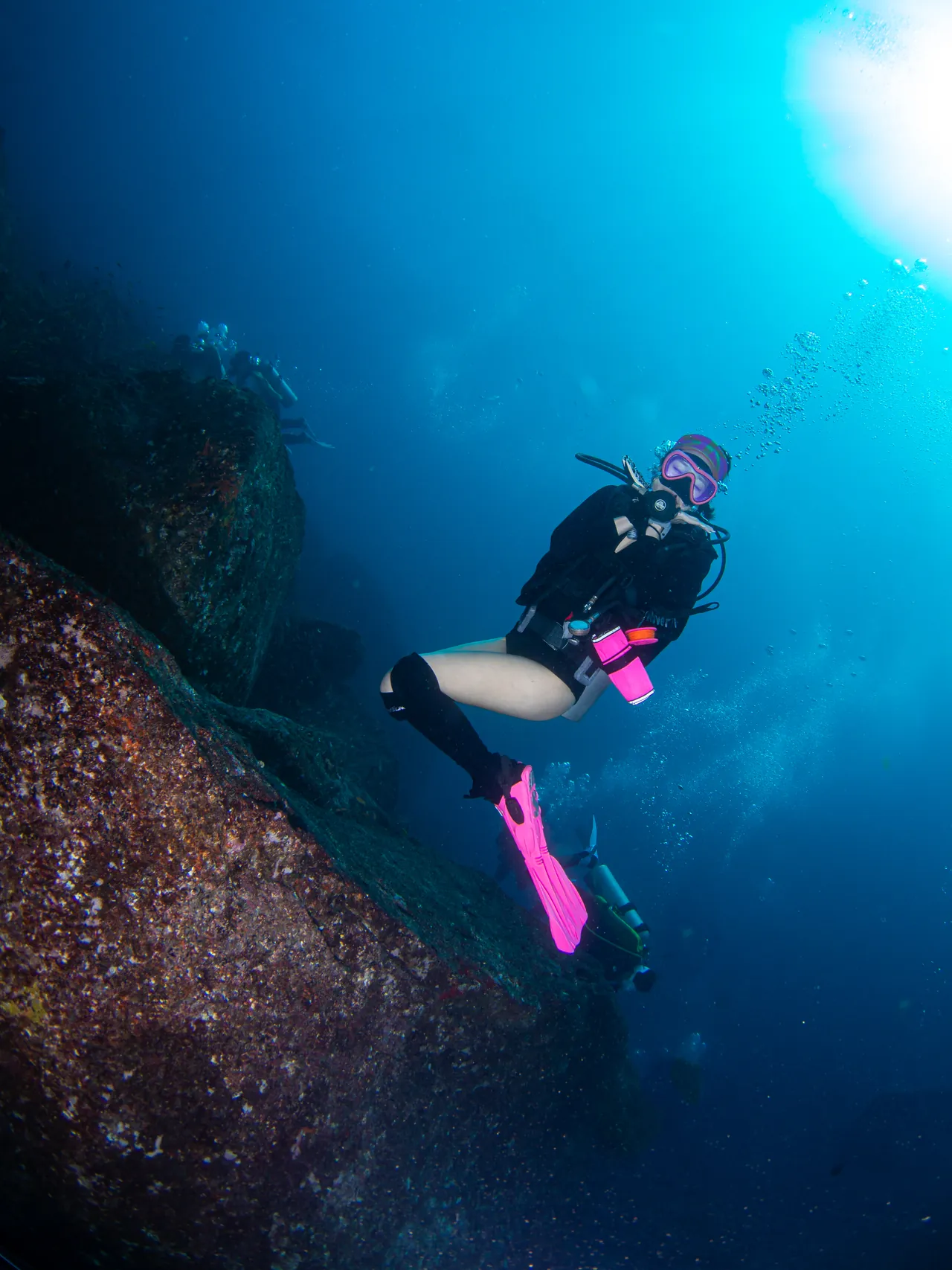
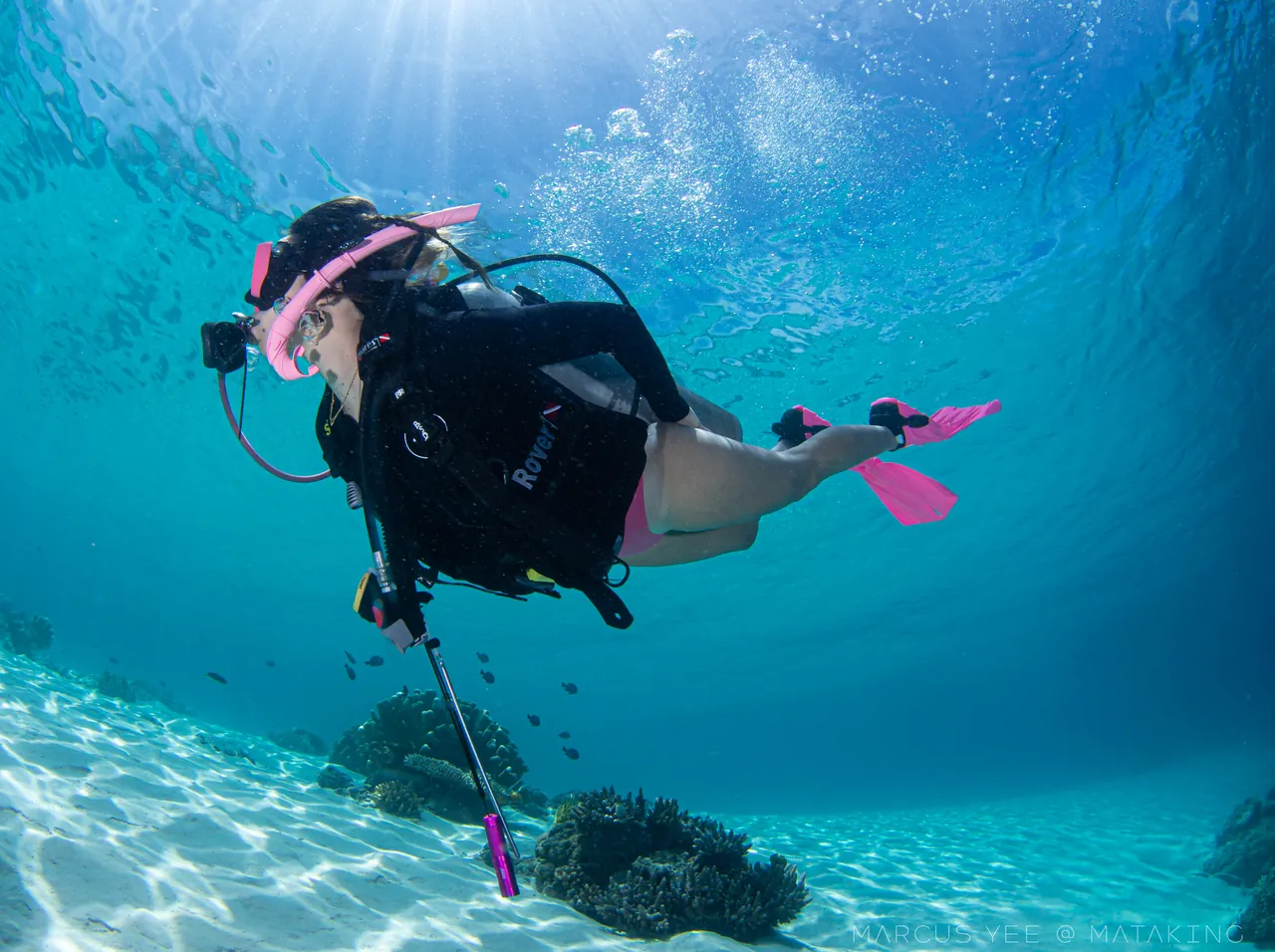
Cover Photo: A dive at Mataking, from the TDB photo collection, used here as a general diving illustration.