PADI Divemaster is a professional qualification focused on dive leadership and supporting other divers. PADI Master Scuba Diver is a recreational rating recognising training and experience. The similar names are easy to mix up, but they are not interchangeable levels on a single ladder.
The best choice depends on what you want your diving to become. Are you interested in taking responsibility for dive activities, or building a broader personal diving background? Answer that before choosing a course because its name sounds more advanced.
What Each Pathway Is For
Divemaster: A Professional Direction
Divemaster training develops the knowledge and practical ability needed to assist instructors and lead appropriate diving activities within the qualification's scope. It is the first professional level in the PADI system, rather than an instructor qualification.
Look at the TDB Divemaster Course if you are interested in this direction. Ask how the programme is organised, how mentoring works and what practical experience the proposed schedule includes. A professional course deserves a discussion about responsibilities as well as diving.
Master Scuba Diver: A Recreational Achievement
The Master Scuba Diver rating recognises a recreational pathway combining core certifications, five PADI Specialty Diver certifications and at least 50 logged dives. PADI lists a minimum age of 12 and a Rescue Diver or Junior Rescue Diver qualification among its requirements.
It does not qualify someone to supervise divers professionally. It can suit a diver who wants to keep exploring different interests without taking on the role of a dive leader. The specialties should support the diving you want to do, not simply fill five spaces.
Compare the Entry Points
For the standard adult Divemaster course, PADI lists a minimum age of 18, the required Open Water, Advanced Open Water and Rescue qualifications or accepted equivalents, recent CPR and first-aid training, and medical clearance within the specified period. You need at least 40 logged dives to begin and 60 to qualify, alongside completing the course requirements.
Those dive counts are minimum thresholds, not a promise that you are ready or that a course will supply every missing dive. Ask the training team to review your records and explain any preparation needed. PADI also has a separate Junior Divemaster programme, which should not be confused with the adult qualification.
If you have not yet completed Rescue Diver, the Rescue Diver Course is a useful point for discussing either pathway. There is no need to choose your entire diving future before developing your next skill.
Three Questions That Clarify Your Choice
- Do I Want Responsibility for Others? Consider whether briefings, organisation and supporting different experience levels appeal to you as much as your own dive.
- Do I Have a Specific Learning Interest? Photography, navigation or a different equipment configuration may point towards focused recreational training first.
- Can I Give the Programme Enough Time? Compare the full commitment, preparation and follow-up requirements with your work and travel plans.
For example, someone who wants more varied holidays may prefer a planned series of specialties. Someone who enjoys helping less experienced divers and wants to understand centre operations may want to investigate Divemaster training. Neither choice is a judgement about who loves diving more.
Compare the Full Commitment, Not Just the Fee
Request a breakdown of teaching, learning materials, equipment, accommodation, certification or application costs and any items paid separately. For a professional pathway, also ask which ongoing requirements apply if you later wish to work in a professional capacity.
Training does not guarantee a job, a particular income or permission to work in another country. Treat employment, professional status and local work requirements as separate questions. The course can develop your skills, but the eventual role still has to match your experience and circumstances.
If teaching is your longer-term aim, review the Instructor Development Course to understand the later pathway. You do not need to rush directly into it after Divemaster.
Build a Personal Next-Step Plan
Write down your current qualifications, dive count, recent experience and one goal for the next year. Send that summary when you Contact TDB About Training. Ask for an explanation of why a proposed course fits that goal, rather than a list of everything you could buy.
Frequently Asked Questions
Must I Become a Master Scuba Diver Before Divemaster?
No. Master Scuba Diver is not a required step before Divemaster. You must meet the applicable Divemaster prerequisites and complete its training.
Does Either Qualification Make Me an Instructor?
No. Instructor development and assessment are separate. Divemaster provides a professional foundation, while Master Scuba Diver remains a recreational rating.
Can I Pursue Both?
Yes, the goals can coexist. Choose the training because it is useful to your development, and confirm how your completed qualifications count with the instructor reviewing your records.
Sources
PADI: Master Scuba Diver; PADI: Divemaster Requirements; PADI: Divemaster Course.
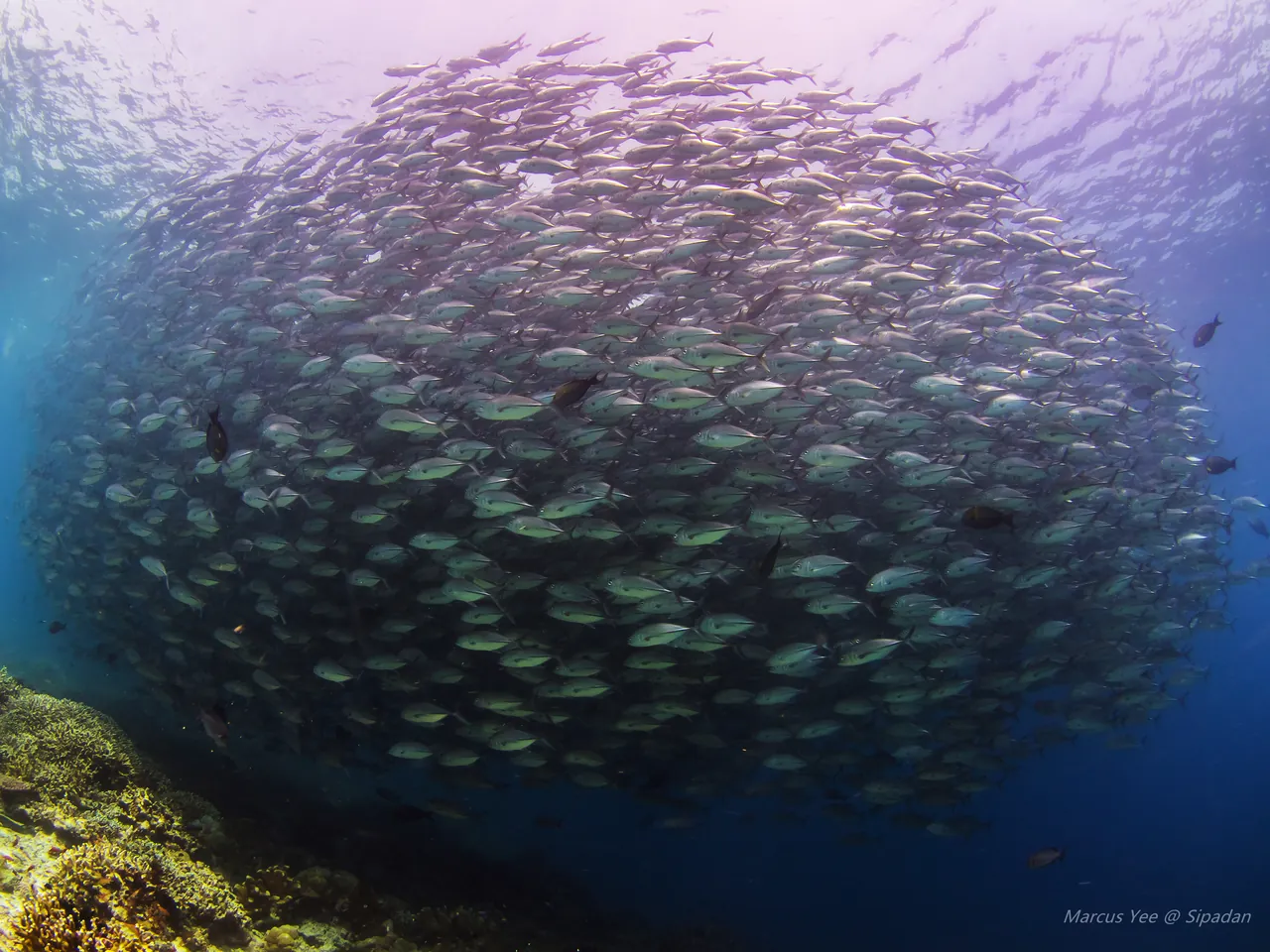
Cover Photo: Schooling fish at Sipadan, from the TDB photo collection, used here as a general diving illustration.