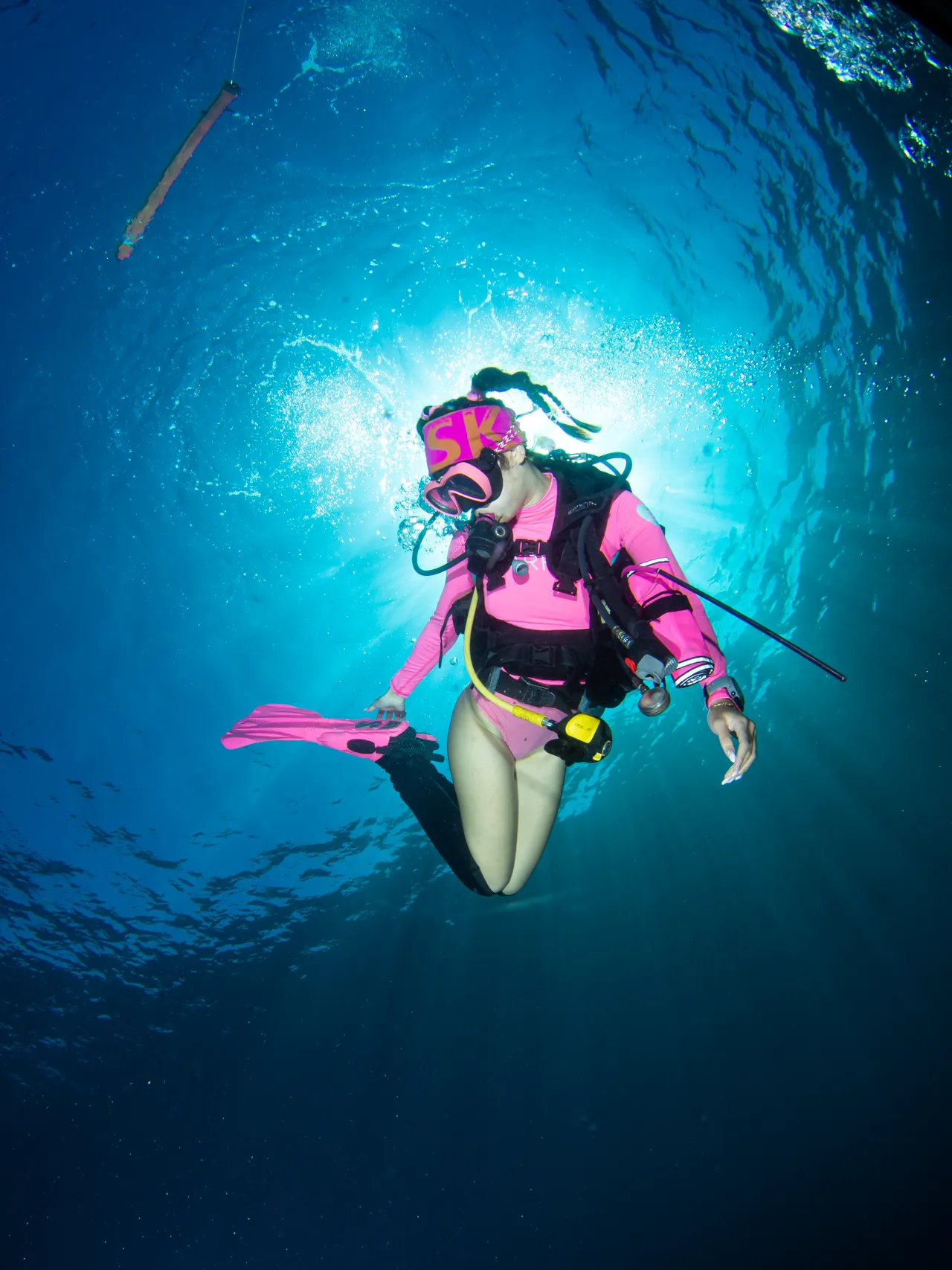
You do not need to arrive knowing how to perform a dive rescue. You do need to arrive ready to learn, with the right prerequisites, current paperwork and enough time for the training. That distinction makes planning a PADI Rescue Diver course much less intimidating.
This preparation guide helps you identify what to check before travelling to Tioman. For the package itself, including its current inclusions, see the PADI Rescue Diver Course.
Check Eligibility Before Choosing Dates
PADI’s published pathway allows eligible Adventure Divers who have completed the Underwater Navigation Adventure Dive to progress to Rescue Diver; Advanced Open Water Divers can also meet that training prerequisite. CPR and first-aid training within the previous 24 months is required. Age and junior certification conditions also apply.
TDB's course page currently lists Advanced Open Water or a qualifying certification and includes EFR training in its advertised package. If your certification comes from another agency, or your pathway differs from that description, send the records for review before paying. General PADI eligibility and the arrangements for a particular course booking should both be checked.
- Your certification records, including navigation training where relevant.
- Your first-aid and CPR certificate, with its completion date.
- Your recent logbook entries and the date of your last dive.
- The required medical questionnaire and any clearance it calls for.
- Your available travel dates and preferred learning language.
Be Honest About the Basics That Need Attention
Rescue training asks you to notice more than your own equipment. If ordinary dive tasks currently occupy all your attention, explain that to the instructor. It is better to arrange additional preparation than to discover the issue during a demanding training day.
Useful points to discuss include whether you feel settled in the water, can follow briefings comfortably and remember your normal buddy procedures. You do not need to give yourself a score. Describe a recent dive and the part you found difficult.
If you have been away from diving, read our Guide to Returning After a Long Break and ask what review is appropriate. Booking Rescue Diver should not be used to quietly replace a refresher you already know you need.
Prepare Your Study Time
Ask which materials will be assigned and when the knowledge development should be completed. Block out time before travel, rather than assuming you can study everything on the ferry or between water sessions.
Keep a short list of questions as you work through the materials. For example, identify terms you do not understand or parts of an emergency plan you would like explained. Bring the questions to the instructor instead of memorising words you cannot confidently describe.
The PADI eLearning Guide explains access to assigned learning materials. Confirm your account and course access early so that a login problem does not use up your first training morning.
Expect Practice, Feedback and Teamwork
The purpose of supervised scenarios is to develop judgement and coordinated responses. They are learning situations, not a demand to act like an emergency professional on day one. Listen carefully to the briefing, ask when an instruction is unclear and take feedback seriously.
Do not rehearse rescue procedures on friends from a video or written checklist. The instructor needs to teach, supervise and assess those skills in the appropriate environment. Your useful preparation is organisation, communication and readiness to follow the training process.
It can help to set a learning goal that is not a certificate deadline: become more comfortable speaking up, understand how roles are allocated, or explain an emergency plan clearly. These goals give the debrief something concrete to build on.
Plan a Course Stay, Not a Packed Holiday
Confirm the actual start time and arrival instructions before arranging the ferry. Ask whether the first-aid component takes place before or alongside other sessions, and leave space for study and rest. Friends visiting with you should know that your training schedule may be different from their leisure plans.
Request a written explanation of equipment arrangements and what happens if extra training time is needed. Keep your departure plan flexible enough to follow the centre's advice. For any travel or eligibility uncertainty, Contact the TDB Team before finalising the booking.
Frequently Asked Questions
Must I Already Know Rescue Techniques?
No. Learning them is the purpose of the course. Prepare your prerequisite records and discuss readiness rather than trying to teach yourself practical rescue procedures.
Can I Use First-Aid Training From Another Provider?
Ask the instructor to review the qualification, content and date. Do not assume that every first-aid certificate meets the applicable requirements or that an older certificate remains current.
Does Rescue Diver Make Me a Professional Rescuer?
No. It is a recreational diver training qualification. It is also a prerequisite on the pathway towards professional dive training, but it does not by itself authorise employment as a dive professional or emergency responder.
Sources
PADI: Rescue Diver Course Requirements; PADI: Rescue Diver Course.