Diving with Sharks · The Facts
Do Sharks Attack Scuba Divers?
Quick Answer
- Shark attacks on scuba divers are extremely rare. Sharks have no natural interest in humans as prey.
- The reef sharks commonly seen in Tioman — primarily blacktip reef sharks — are shy and tend to avoid divers, not approach them aggressively.
- Most divers consider a shark sighting a highlight of their dive, not a danger.
- Following simple, respectful diving practices makes encounters safe and enjoyable for both you and the sharks.
Thanks to decades of dramatic movies, sharks have an undeserved reputation as mindless predators lurking to attack anyone in the water. For divers, the reality is almost the opposite: a shark sighting is one of the most thrilling and sought-after experiences in diving, and genuine danger is vanishingly rare. Let's look at the facts.
The Reality of Sharks and Divers
Sharks are apex predators, but humans simply aren't on their menu. Sharks have spent millions of years hunting fish, seals, and other marine animals — a scuba diver doesn't resemble their natural prey. In the overwhelming majority of encounters, a shark will either ignore a diver completely or, more often, swim away to keep its distance.
The rare incidents that do occur worldwide typically involve surface activities, spearfishing, or specific conditions — not recreational scuba divers calmly observing reefs. For the typical diver enjoying a reef dive, sharks represent a wildlife highlight, not a hazard.
ℹ️Perspective matters. Far more sharks are harmed by humans than the reverse. Sharks are a vital, often vulnerable part of healthy reef ecosystems — and seeing them on a dive is a sign of a thriving marine environment.
The Sharks You'll Meet in Tioman
Tioman is well known for its reef sharks, especially around Renggis Island. The species you're most likely to encounter are gentle and non-threatening:
🦈Blacktip reef sharks — shy, common at Renggis🦈Whitetip reef sharks — calm, often resting🦈Occasional leopard sharks — docile bottom-dwellers
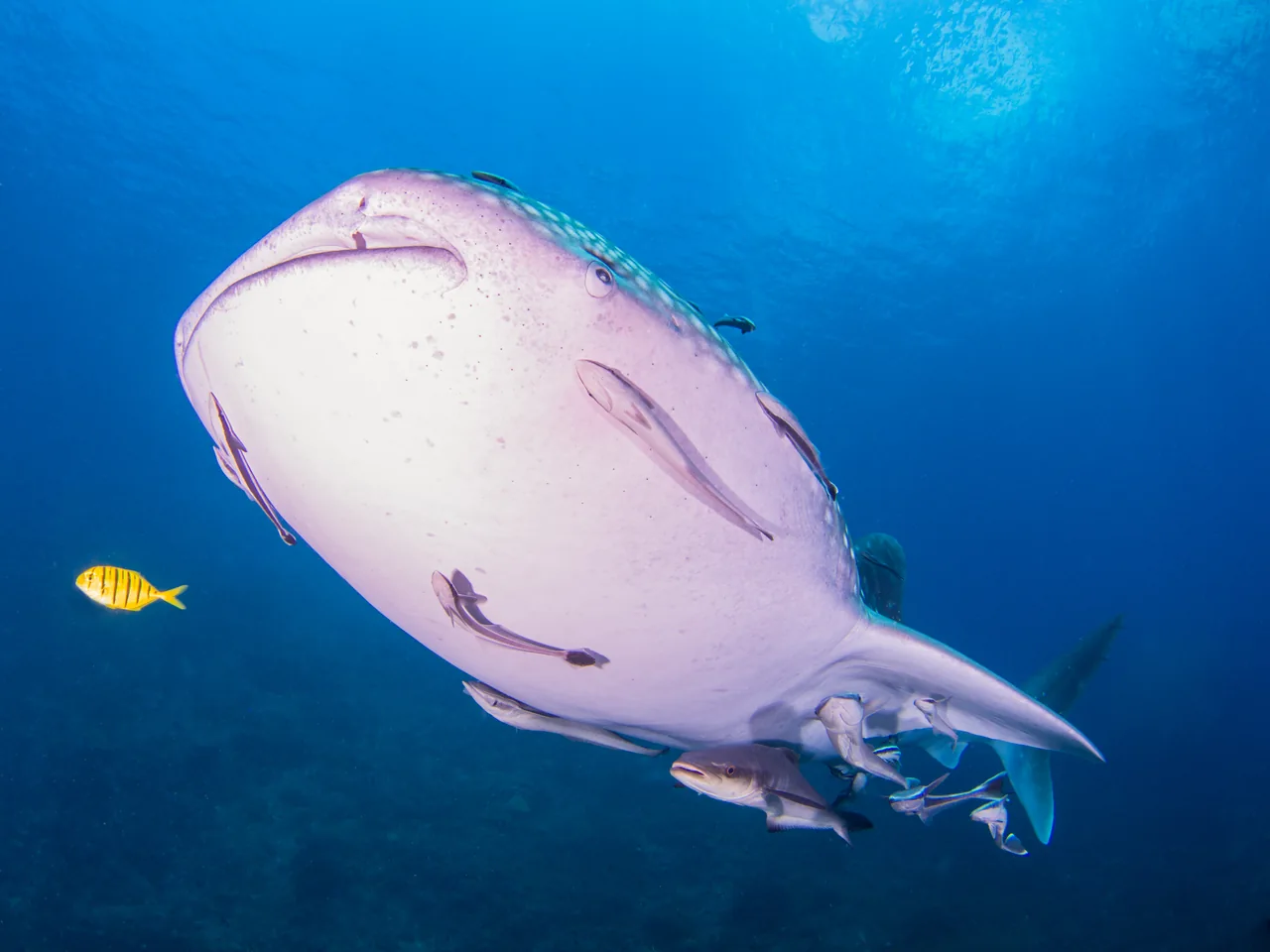
Blacktip reef sharks, the signature species at Renggis, are naturally timid. They typically cruise along the reef at a distance and are far more likely to swim away from you than toward you. Whitetip reef sharks are often seen resting motionless on the bottom. None of these species has any interest in divers.
How to Dive with Sharks Respectfully
Safe, enjoyable shark encounters come down to calm, respectful behaviour. Follow these simple guidelines:
- Stay calm and move slowly. Relaxed, controlled movements keep both you and the shark at ease.
- Don't chase or corner sharks. Let them come and go on their own terms — give them space and an escape route.
- Never touch or grab. Observe respectfully without interfering with the animal.
- Don't feed sharks. Feeding alters natural behaviour and isn't responsible diving practice.
- Maintain good buoyancy. Stay off the reef and observe from a comfortable distance.
💡Let the moment come to you. The best shark encounters happen when you stay still and calm. Sharks are curious but cautious — hold your position and you'll often get a closer, longer look than if you swim toward them.
From Fear to Fascination
Most divers who were once nervous about sharks come away from their first encounter completely transformed. Seeing a reef shark glide effortlessly along a coral wall, utterly indifferent to your presence, replaces fear with awe. It's one of diving's great gifts — the chance to see these misunderstood animals as they truly are.
Want to Dive with Reef Sharks?
Renggis Island, just off Tioman, is one of Malaysia's most reliable spots for blacktip reef shark encounters. Ask us about diving it.
Plan a Shark Dive →🤿Tioman Dive Buddy is a PADI 5 Star Instructor Development Centre. We've guided countless divers through their first reef-shark encounters at Renggis Island — turning nerves into one of their favourite dive memories.
Is it dangerous to scuba dive with sharks?
For recreational divers, diving with reef sharks is considered very safe. Sharks have no natural interest in humans as prey, and reef sharks in particular are typically shy and avoid divers. Following respectful diving practices — staying calm, not chasing or feeding them, and giving them space — makes encounters safe and enjoyable. Most divers regard a shark sighting as a highlight, not a hazard.
What sharks will I see diving in Tioman?
The most common sharks in Tioman are blacktip reef sharks, frequently seen around Renggis Island, along with whitetip reef sharks and occasionally leopard sharks. All of these species are non-aggressive toward divers. Blacktip reef sharks are naturally timid and usually keep their distance, while whitetip reef sharks are often seen resting on the bottom.
What should I do if I see a shark while diving?
Stay calm and enjoy the moment. Move slowly, maintain good buoyancy, and observe from a comfortable distance without chasing, touching, or cornering the animal. Let the shark come and go on its own terms. Calm, respectful behaviour ensures a safe and rewarding encounter for both you and the shark.
Why do sharks generally avoid divers?
Sharks have evolved to hunt fish and marine animals, and humans don't resemble their natural prey. Many reef sharks are also naturally cautious and shy. The bubbles, size, and unfamiliar shape of a scuba diver tend to make sharks keep their distance rather than approach, which is why they usually swim away from divers.
Meet the Reef Sharks of Tioman
Experience the thrill of diving with blacktip reef sharks at Renggis Island — safe, respectful, and unforgettable.